 Log In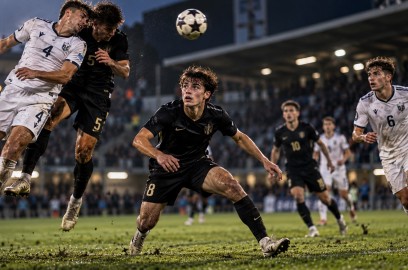
Imagine two midfielders playing in the same match.
Both are strong. Both can pass. Both work hard.
But one of them seems to be everywhere.
He wins loose balls, collects rebounds and reaches situations before his opponents.
He is not necessarily faster or stronger.
So what makes the difference?
HE KNOWS WHERE THE BALL WILL GO NEXT.
Many young footballers focus only on the player with the ball.
But football is full of situations where nobody has complete control.
A header, a blocked shot, a tackle or a difficult first touch can create a second-ball opportunity.
And the players who anticipate these moments can become extremely valuable.
Here are 7 ways to develop this underrated skill.
-
STOP WATCHING ONLY THE FIRST DUEL
Imagine your teammate challenging an opponent for a header.
Most players watch the two players jumping.
But what happens after the header?
Where will the ball land?
Who will reach it first?
That is where you should focus.
YOUR TASK:
During your next match, pay attention to aerial duels around you.
Instead of watching only the players jumping, try to predict where the ball will land.
Move early, but stay ready to adjust.
-
LEARN TO READ THE DIRECTION OF THE BALL
You don't need to guess randomly.
Look for information.
Which direction is the player facing?
Is he under pressure?
Can he control his header?
Is the ball arriving quickly?
A defender heading the ball while running backwards may struggle to direct it accurately.
A player under heavy pressure may produce a short clearance.
These details can help you anticipate the next action.
YOUR TASK:
Watch 10 aerial duels from a recorded match.
Pause the video just before contact.
Predict where the ball will go.
Then check your prediction.
Repeat this regularly.
-
DON'T STAND TOO FAR FROM THE ACTION
Sometimes players lose second balls before they even have a chance to compete.
Why?
Because their starting position is wrong.
If you stand too far away, even excellent reactions may not help.
Your position should allow you to support the first duel while respecting your defensive responsibilities.
YOUR TASK:
During training games, observe where loose balls usually appear.
Adjust your position to increase your chances of reaching them.
Don't chase every ball blindly.
Position yourself intelligently.
-
REACT IMMEDIATELY AFTER A BLOCKED SHOT
Imagine your teammate shoots.
The goalkeeper saves.
The ball rebounds into the penalty area.
Who reacts first?
The player who expected the possibility of a rebound.
Or the player who stood still and watched the shot?
For strikers and attacking midfielders, this can be the difference between scoring and missing an opportunity.
YOUR TASK:
During shooting practice, add a second action.
After the first shot, react to a rebound or a loose ball.
Don't stop playing immediately after shooting.
Build the habit of continuing the action.
-
WIN THE BALL — THEN MAKE THE NEXT DECISION
Winning a second ball is only half the job.
What happens afterwards?
Some players immediately lose possession again.
Others turn a difficult situation into an attack.
The difference is preparation.
Before reaching the ball, try to recognise your passing options and nearby opponents.
YOUR TASK:
Practise situations where you must win a loose ball and immediately:
-
Pass to a teammate.
-
Protect possession.
-
Turn into available space.
-
Play forward when possible.
Don't train only the recovery.
Train what happens next.
-
TRAIN SECOND BALLS UNDER REAL PRESSURE
You can develop this skill without expensive equipment.
Try this simple exercise with three players.
PLAYER A: Plays a high or bouncing ball.
PLAYER B: Challenges for the first ball.
PLAYER C: Tries to anticipate and collect the loose ball.
After winning possession, Player C must make a quick decision.
Change the roles regularly.
Make the exercise more difficult by adding an opponent who also competes for the second ball.
You can also practise similar situations during small-sided games.
The goal is to improve anticipation, positioning and decisions under pressure.
-
BECOME THE PLAYER WHO EXPECTS THE UNEXPECTED
Football is not always clean and predictable.
Passes are blocked.
Defenders make mistakes.
Goalkeepers drop balls.
Shots change direction.
Tackles create rebounds.
Some players are surprised by these situations.
Others are already prepared.
You cannot predict every bounce.
But you can develop the habit of staying alert and expecting the game to continue.
YOUR TASK:
During your next match, focus on one simple rule:
WHEN A DUEL, SHOT OR TACKLE HAPPENS NEAR ME, I MUST BE READY FOR THE NEXT ACTION.
Then review how many loose-ball situations you reached and what you did afterwards.
FINAL MESSAGE
You don't always need spectacular dribbling, incredible speed or beautiful passes to become valuable.
Sometimes the difference is much simpler.
You arrive first.
You collect the rebound.
You win the loose ball.
You keep possession.
You start another attack.
These actions may look ordinary.
But they can change matches.
And coaches notice players who repeatedly help their teams regain possession and maintain pressure.
Remember:
THE FIRST DUEL DOESN'T ALWAYS DECIDE WHO GETS THE BALL.
SOMETIMES THE MOST IMPORTANT PLAYER IS THE ONE WHO WINS WHAT HAPPENS NEXT.
Start paying attention to second balls.
Train your anticipation.
Improve your positioning.
And learn to make good decisions immediately after winning possession.
Because while other players are watching what just happened, you could already be preparing for what happens next.
SUPPORT FOR PLAYERS
For 6 years, we have been helping less-known players completely for free — guiding them, giving honest feedback, and creating real football opportunities. During this time, we have completed over 25 player transfers to clubs across Europe.
If you value our work and want to help us continue supporting players worldwide, you can support us through Football Talents Tube.
Every supporter will have the chance to speak personally with me.
I will check your level, give you real feedback, and guide you individually.
The most determined players receive invitations for official trials.